Accelerating the transitions needed to achieve the UN Sustainable Development Goals
SUSTAINABILITY LAB

)
SUSTAINABILITY LAB
Accelerating the transitions needed to achieve the UN Sustainable Development Goals
We aim to connect practitioners and researchers at the forefront of industry and society transitions towards the UN Sustainable Development Goals (SDGs). Our goal is to help them work together to speed up those transitions by advancing knowledge and learning in organizations and across industry ecosystems.
The UN SDGs represent the roadmap for how we address today’s most pressing global challenges including:
The existential threats of the climate and biodiversity crises
Achieving a life of dignity for all, free from poverty and hunger
Ensuring human rights are respected
Protecting the right to equality and freedom from discrimination
Encouraging wider peace and freedoms
Lab Impact
Our work is to achieve action on the complex, interconnected challenges at the heart of the UN SDGs. This requires constellations of leaders from all sorts of organizations—governmental, intergovernmental, civil society, private and public sector—working together through coalitions.
In Hult's Sustainabilty Impact Lab, our focus is on advancing this emerging understanding of how to lead change across systems to achieve the society and industry transitions we need—and share that learning to help accelerate those changes.
LAB DIRECTOR
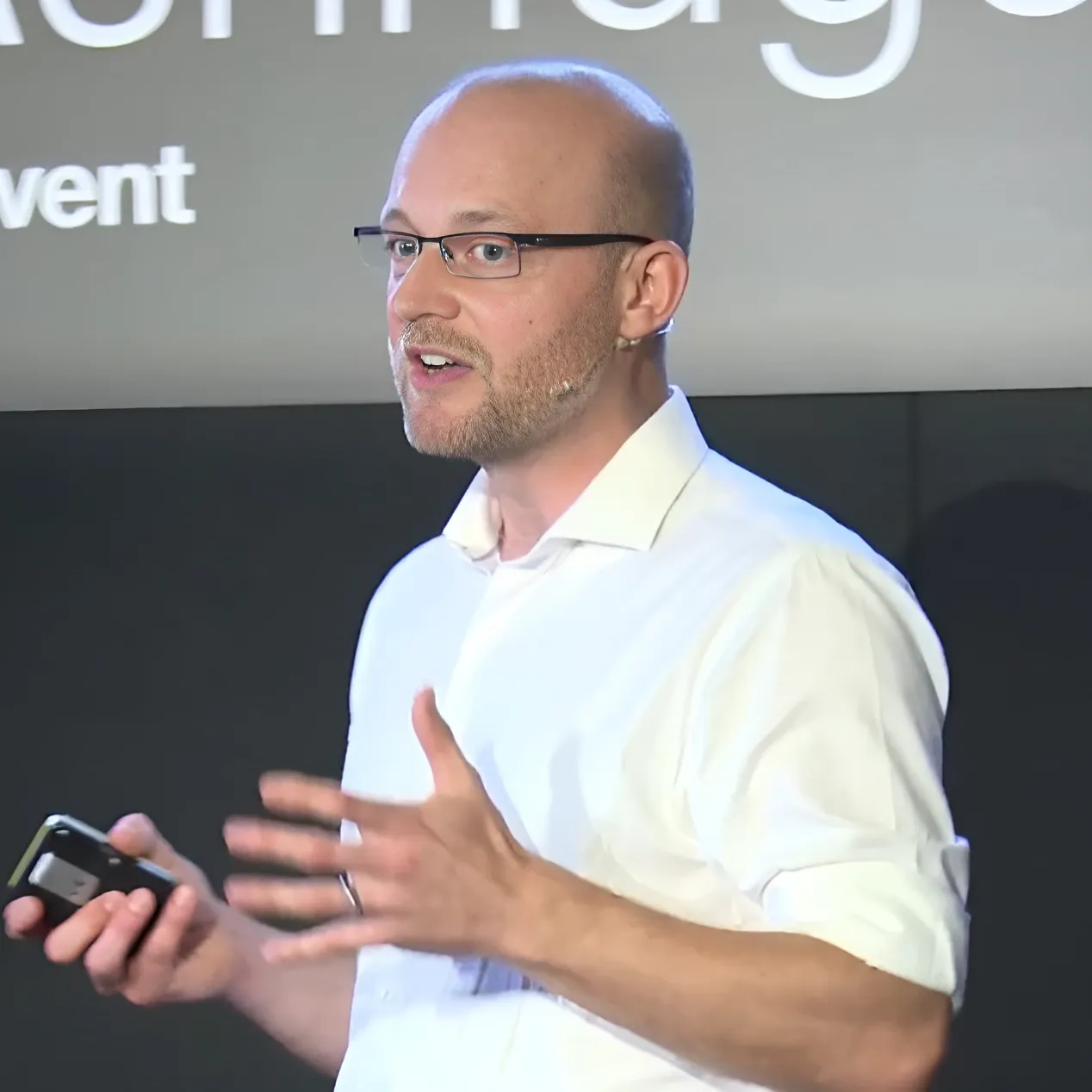
Matt is Director of Hult’s Sustainability Impact Lab, specializing in sustainable development, human rights, and organizational change. Over nearly two decades at Hult, he has led pivotal research on modern slavery, CEO advocacy, and embedding the UN SDGs, collaborating with major global organizations including Unilever, IBM, and the UN Global Compact.
Based at Ashridge House in the UK, Matt teaches across Hult’s degree and executive education programs and supervises doctoral students. A widely published thought leader featured in the Financial Times, Harvard Business Review, and at the World Economic Forum in Davos, he co-developed the UN Principles for Responsible Management Education. His impact has earned him the Aspen Institute’s "Rising Star" award and recognition on the Thinkers50 Radar.
)
Putting ethics at the heart of global business
Read Matt's full interview
LAB FOCUS
How do we shift practices across whole industry sectors to achieve Net Zero by 2050 and other sustainability goals? What can we learn from emerging practices in sectors where such transitions are already well underway, such as power generation and electric vehicles, to help accelerate transitions in other sectors which are at earlier stages?
New research projects in this focus area will collaborate with initiatives at the heart of various sustainability transitions to understand and share the emerging learning about leading change across systems.
Previous Hult research projects in this focus area have looked at, for example, the practice of business advocacy for more ambitious government intervention and enhanced policy frameworks to accelerate sustainability transitions.
LAB FOCUS
How has engaging with sustainability and other ESG challenges been influencing the day job? How have CEOs and other senior executives been experiencing their role changing? How have they been needing to lead differently to the generation of business leaders who came before them? What experiences have shaped their thinking and practice? What are the implications for Talent Management, Leadership Development and Management Education? What does this tell us about how to build the leadership we need to achieve the UN SDGs?
New research projects in this focus area will explore how senior executives have been experiencing and making sense of how their roles have been changing, and how their leadership practices have been experienced by others. New projects will also explore the evolving relationship between Chief Learning and Development Officers and Chief Sustainability Officers in organizations, and innovation in leadership development for sustainability.
Previous Hult research projects in this focus area have involved partnerships with the UN Global Compact PRME, Business in the Community, and the International Business Leaders Forum.
LAB FOCUS
This area of focus examines how we can stimulate the innovation required to achieve the UN SDGs. With our research, we look to answer questions like: How can organizations organize, plan, and execute complex innovation initiatives to achieve the UN SDGs? How do they work collaboratively across ecosystems to achieve such transformational innovation?
A current project in this area is examining how entrepreneurial, public, and private organizations across Europe, Southeast Asia, and the Middle East join forces to deliver innovative solutions that can create sustained societal value.
Social entrepreneurship plays an integral role in innovation. How can we maximize the role of social entrepreneurship? Who are social entrepreneurs? What do we know about their personalities and their motivations? How does this change over the lifetime of an entrepreneurial venture? What can this tell us about how to encourage more social entrepreneurship as a means of achieving the UN SDGs?
A current research project in this focus area is working in partnership with the Hult Prize to explore the experiences of participating social entrepreneurs and aims to highlight implications for educators, entrepreneurs, policymakers, and development institutions.
Luxury brands have particular opportunities and challenges in helping accelerate the achievement of the UN SDGs. One current project in this area examines consumer attitudes to sustainability claims made by luxury brands.
LAB FOCUS
How do we accelerate the transition toward embedding the UN Guiding Principles on Business and Human Rights into everyday business practice? What is the role of Human Rights Due Diligence? How do we develop effective mandatory Human Rights Due Diligence regulation? And how can such regulation influence organizational behavior and human rights outcomes?
New research projects in this focus area will explore the relationship between the design and implementation of human rights regulation and organizational behavior across the value chain.
Previous Hult research projects in this area, including partnerships with the Ethical Trading Initiative, have examined the nature of corporate leadership on Modern Slavery, and the influence of the introduction of the UK Modern Slavery Act.
LAB FOCUS
Maximizing and capitalizing on workplace DEIB is a strategic issue for organizations today. The increasingly global economy requires more interaction among diverse cultures, and companies require global and diverse talent to stay competitive. Particularly, in the wake of recent events such as #MeToo and #BlackLivesMatter, organizations are also being called to look inwards, focusing on how they can create equitable experiences for all, and respect and promote the human rights to equality and freedom from discrimination.
One current research project in this focus area is investigating rethinking masculinity in the new world of work, exploring the personal work men need to do to take action for gender equity in the workplace, and what practices enable such shifts in thinking and practice.
Another current project is examining the link between corporate culture and the company's willingness to appoint women to the board. We're investigating questions of whether different types of culture make it more or less likely for boards to appoint women, whether companies appoint female directors because they recognize their true value, or because there is stakeholder pressure, they need to fulfill minimum requirements, or they want to look good.
Collaborate with Hult Impact Labs
Want to find out more about any of our Impact Labs? Interested in collaborating on a project?